


Leather vs. Suede: The Ultimate Shoe Material Showdown
Overview
This article explores the differences between leather and suede footwear, highlighting their characteristics, pros and cons, and maintenance tips. Leather is durable and ideal for formal occasions, while suede offers softness and a casual appeal. Understanding these materials can help you make informed choices for your shoe collection.
Table of Contents
- An Overview of Leather
- Types of Leather
- The Appeal of Suede
- The Texture and Feel of Suede
- Durability Comparison
- Maintenance Matters
- Caring for Leather Shoes
- Caring for Suede Shoes
- Style Versatility: Leather vs. Suede
- Leather's Timeless Appeal
- Suede's Casual Charm
- Price Considerations
- Comfort is Key
- Eco-Friendly Considerations
- Your Footwear Adventure Awaits
Key Takeaways
- Material Influence: The choice of footwear material, such as leather or suede, greatly affects style, comfort, and durability.
- Leather Types: Full-grain leather offers the highest quality and durability, while top-grain is more affordable yet elegant. Genuine leather is a lower grade with less longevity.
- Suede Appeal: Suede features a soft texture and unique visual appeal, making it ideal for casual styles.
- Durability: Leather is known for its toughness and longevity, while suede is softer but can wear out more quickly if not cared for properly.
- Maintenance: Proper care is essential; leather requires conditioning and polishing, whereas suede needs brushing and protective sprays.
- Style Versatility: Leather is suited for formal occasions, while suede fits casual settings, enhancing various outfits.
- Comfort Levels: Leather may require a break-in period, while suede offers immediate comfort due to its soft nature.
When it comes to footwear, the materials used can significantly influence style, comfort, and durability. Among the plethora of options available, leather and suede stand out as popular choices, especially for luxury and designer footwear. In this article, we’ll dive into the characteristics of each material, their pros and cons, and how to choose the right option for your footwear needs. Whether you're on the hunt for luxury suede men's shoes or designer dress shoes for men, understanding these materials will help you make an informed decision.
An Overview of Leather
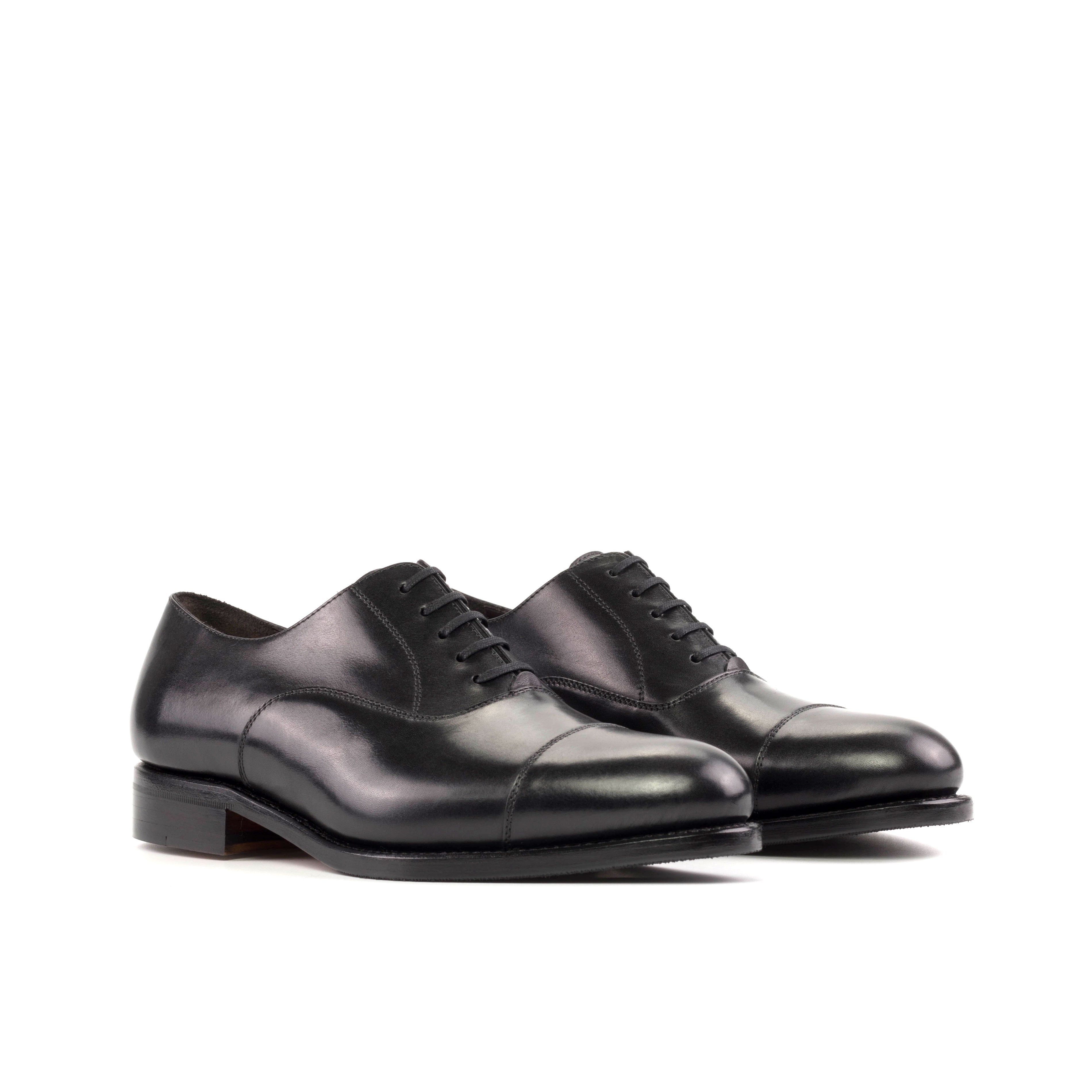
Leather is a classic choice for footwear that has stood the test of time. It is made from the hide of animals, typically cows, and is known for its durability and strength. Below, we discuss the different types of leather and what makes them suitable for luxury shoes.
Types of Leather
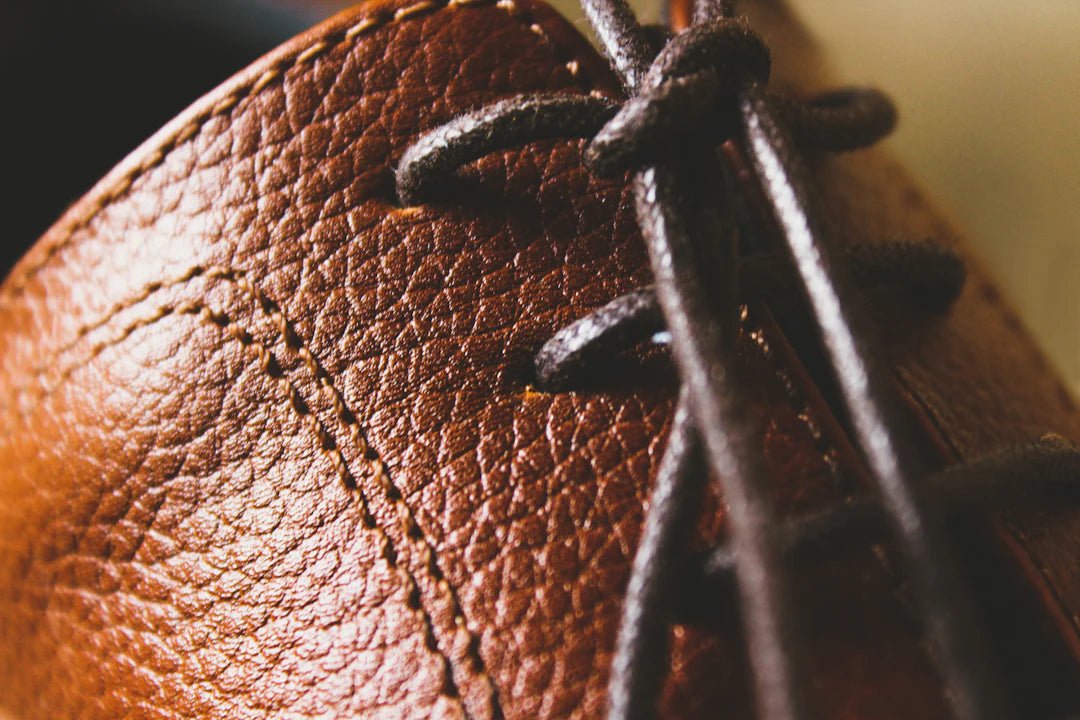
- Full-Grain Leather: This is the highest quality leather available. It retains the natural grain of the hide, providing a unique character and an exceptional finish. It ages beautifully, developing a rich patina.
- Top-Grain Leather: Slightly less durable than full-grain, top-grain leather is sanded and finished to remove imperfections. It's more affordable while still offering an elegant look.
- Genuine Leather: This type includes various lower grades and is often used in more affordable shoes. While it may look good, it doesn't offer the same durability or aging characteristics as higher grades.
The Appeal of Suede
Suede, on the other hand, is derived from the inner layer of the animal hide. Its texture has a soft nap that gives it a luxurious appearance, making it an ideal choice for more casual styles. Suede can be an appealing option for those looking to add some uniqueness to their shoe collection.
The Texture and Feel of Suede
One of the significant benefits of suede is its soft, velvety texture. Here’s what you need to know:
- Softness: Suede feels incredibly soft and comfortable against the skin, making it a popular choice for luxury suede men's shoes.
- Visual Appeal: The soft nap of suede reflects light beautifully, creating a distinctive look that can elevate any outfit.
Durability Comparison
When investing in shoes, understanding their durability is crucial. Leather is known for its toughness and longevity. Properly cared for, quality leather shoes can last for years, making them a worthwhile investment.
Suede, while softer, tends to be less resilient. It can show wear and tear more quickly than leather, and it is more susceptible to moisture and stains. However, with the right care and regular maintenance, suede can still be a durable option for your footwear collection.
Maintenance Matters
Proper maintenance can significantly extend the life of both leather and suede. Here’s how to care for each material:
Caring for Leather Shoes
- Cleaning: Use a damp cloth to wipe off dirt and grime, followed by a leather cleaner.
- Conditioning: Regularly apply a leather conditioner to avoid drying and cracking.
- Polishing: Use shoe polish for a finish that showcases the leather’s natural luster.
Caring for Suede Shoes
- Brushing: Use a soft-bristled brush specifically designed for suede to lift the nap and remove surface dirt.
- Stain Removal: Blot stains with a clean cloth and use a suede eraser for tougher spots.
- Protecting: Invest in a suede protector spray to help fend off moisture and stains.
Style Versatility: Leather vs. Suede
Both leather and suede come in a variety of styles that cater to different tastes and occasions. Here’s a breakdown of how each material fits into different fashion scenarios:
Leather's Timeless Appeal
Leather shoes are synonymous with elegance and class. They are often the go-to choice for:
- Business meetings and formal gatherings
- Weddings and upscale events
- Everyday office wear
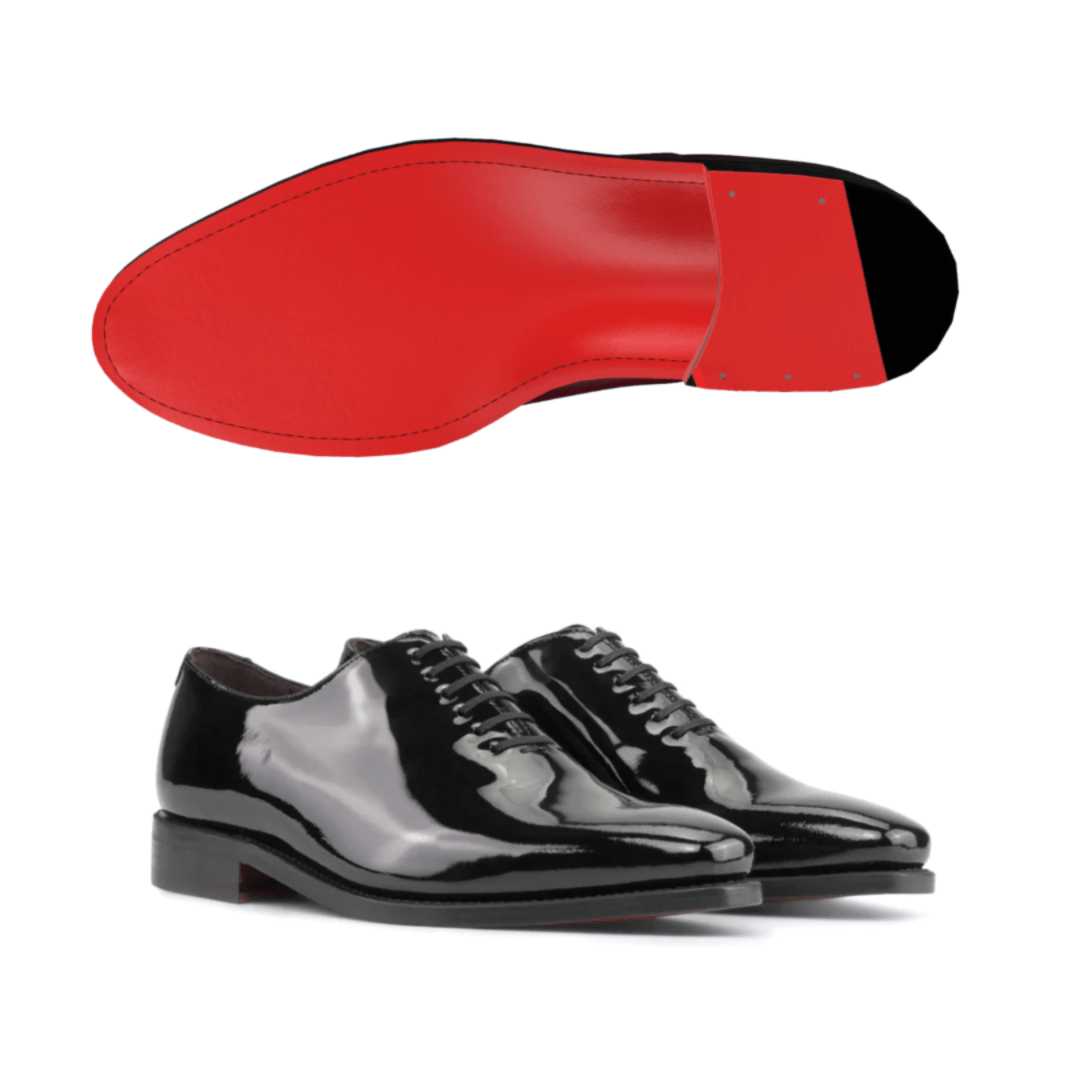
Designer dress shoes for men often feature leather, showcasing a polished and refined aesthetic that pairs well with tailored suits and formal attire.
Suede's Casual Charm
Suede seamlessly fits into more relaxed environments, making it suitable for:
- Weekend outings and casual events
- Smart-casual settings like brunch and informal gatherings
- Seasonal attire: it’s especially popular in spring and fall fashion
Luxury suede men's shoes offer a unique charm that can enhance a stylish look, particularly when paired with denim or chinos.
Price Considerations
When making a footwear investment, price often plays a critical role. Generally, leather shoes tend to be pricier due to the quality of the material and the craftsmanship involved in their production. On the other hand, suede shoes can be available at a range of price points, but higher-grade suede can also cost as much, if not more, than some leather options.
Comfort is Key
Comfort is paramount when choosing the right pair of shoes. Leather often requires a breaking-in period, as it's stiffer and less forgiving at first. However, once broken in, they become incredibly comfortable.
Suede, by comparison, is naturally soft and can provide immediate comfort. The flexible nature of suede often accommodates various foot shapes and sizes, making it a great option for individuals sensitive to stiff materials.
Eco-Friendly Considerations
With sustainability becoming an essential consideration in fashion, the environmental impact of shoe materials is worth noting. Leather production can have a significant environmental footprint due to water usage and chemical tanning processes. Conversely, suede, being a byproduct of leather production, often comes from the same sources, which can make it a more environmentally friendly option in some cases.
However, the sourcing and treatment of both leather and suede can vary widely among manufacturers, so it’s essential to research brands that prioritize eco-friendly practices.
Your Footwear Adventure Awaits
Ultimately, the choice between leather and suede boils down to personal preference, lifestyle, and intended use. For formal occasions and durability, leather remains unparalleled, while suede brings a unique softness and casual elegance to the table. If you’re interested in adding to your shoe collection, whether it’s luxury suede men's shoes or designer dress shoes for men, understanding these materials will guide you to the perfect pair. Always remember to invest time in proper maintenance, and you can enjoy the luxury of both materials in your wardrobe for years to come. Happy shoe shopping!
Frequently Asked Questions
1. What are the main differences between leather and suede?
2. How do I care for leather shoes?
3. Is suede more comfortable than leather?
4. What styles are best suited for leather shoes?
5. Are leather shoes environmentally friendly?
Glossary
| Term | Meaning |
|---|---|
| Leather | A durable material made from animal hides, primarily cows. |
| Suede | A soft, luxurious material made from the inner layer of animal hides. |
| Full-Grain Leather | The highest quality leather that retains the hide's natural grain. |
| Top-Grain Leather | A slightly less durable leather that is sanded for a smooth finish. |
| Genuine Leather | A lower-grade leather often used in more affordable footwear. |
| Patina | The natural aging process that enhances leather's appearance over time. |
| Maintenance | Care practices to extend the life of leather and suede footwear. |
| Eco-Friendly | Considerations regarding the environmental impact of shoe materials. |
| Comfort | The ease and suitability of a shoe for wear, affected by material qualities. |
| Durability | The ability of a material to withstand wear and last over time. |
Linked Product

Capra - White buck shoes for men. Classic genuine suede leather
The Capra white buck shoes for men combine classic American style with Italian craftsmanship, featuring a modern Split Toe Derby design. Made from premium white suede and built on a Goodyear welt crepe sole, these shoes are durable and suitable for various occasions, including summer weddings and smart-casual events. Their customizable options for laces, soles, and finishes make them a versatile addition to any contemporary gentleman's wardrobe.
View ProductRead more
Selecting Formal and Business Shoes That Speak to Today's Modern Man
In the ever-evolving world of fashion, choosing the perfect pair of shoes is critical to defining a modern gentleman's style. Whether you're gearing up for an important business meeting or attendin...
Read more
How to Choose the Perfect Oxford Shoes for Formal Events
When it comes to dressing for formal events, every detail matters, from the cut of your suit to the shine of your shoes. A classic staple in men's formal footwear is the Oxford shoe, renowned for i...
Read more