


The Ultimate Guide to Business Shoes for Men: Elevate Your Professional Look
Introduction
Stepping into a boardroom or meeting room, the right pair of business shoes can speak volumes before a single word is uttered. In professional environments, having the appropriate footwear isn’t merely a matter of style—it’s an unspoken signal of attention to detail, credibility, and strategic self-presentation. Research in organizational psychology underscores this phenomenon: individuals wearing formal attire, including polished shoes, are perceived as more authoritative, competent, and trustworthy by both colleagues and clients (Karl et al., 2007) and align with the concept of “enclothed cognition,” which demonstrates how clothing can influence one’s mental state and performance (Adam & Galinsky, 2012).
Within this context, understanding how to choose and maintain footwear becomes essential for professionals aiming to make a lasting impact. For example, opting for sleek oxfords can enhance perceived formality, while well-crafted loafers suggest adaptability and modern sensibility, subtly guiding others’ impressions in meetings or presentations (JustLuxe analysis).
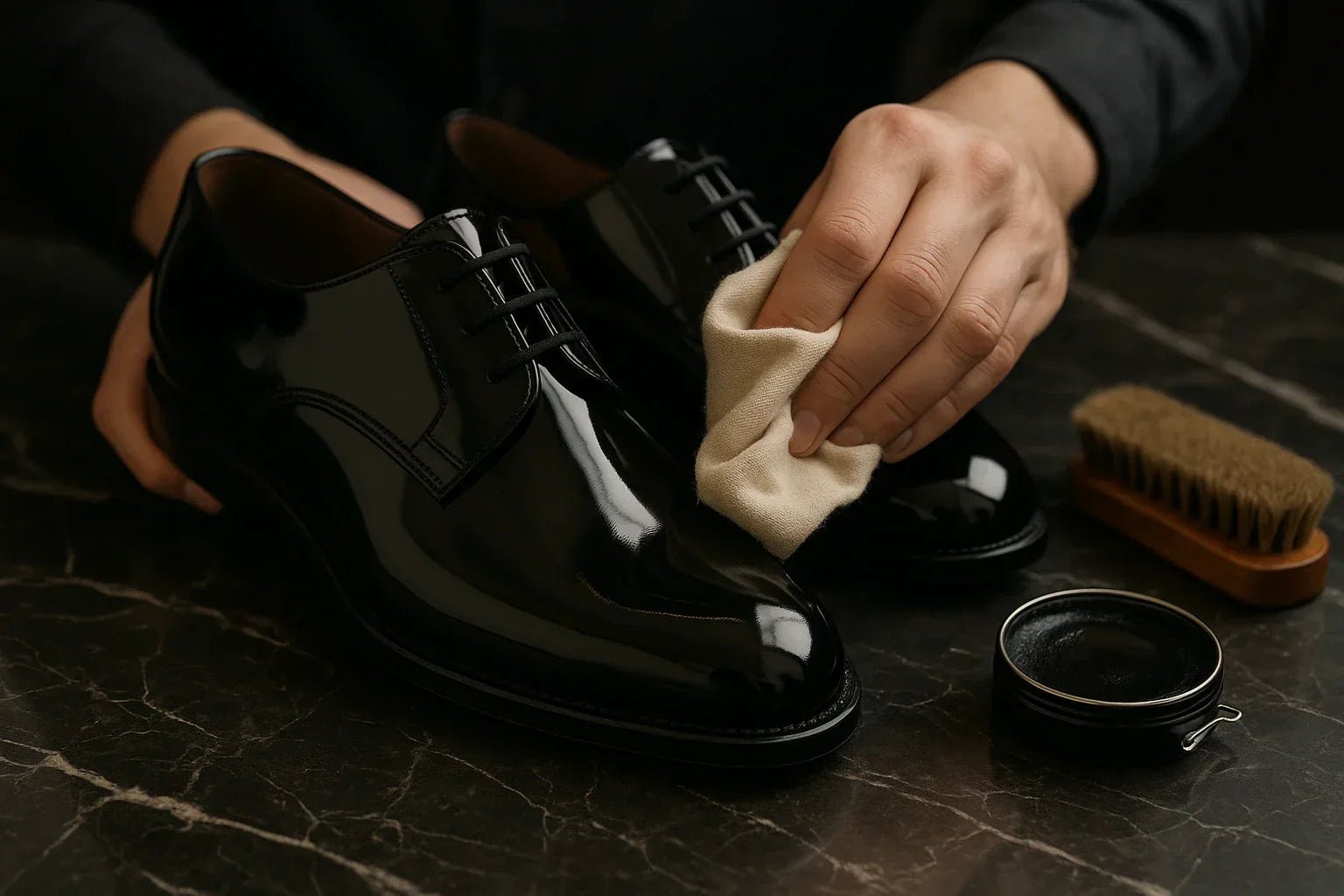
Beyond perception, footwear plays a role in physical comfort and professional endurance. Well-fitting, high-quality shoes support posture, reduce fatigue during long days, and ensure you maintain composure—whether presenting to a client or navigating office dynamics. The act of choosing and caring for such shoes—polishing leather, using shoe trees—acts as a ritual that reinforces discipline and readiness for the day ahead.
This section establishes the foundational importance of selecting the right footwear for professional settings. By understanding the psychological implications, material craftsmanship, and practical benefits, professionals can use their footwear not just as an accessory, but as a tactical tool to communicate reliability, boost confidence, and sustain performance. In the following sections, we'll dive into key selection criteria, style comparisons, care routines, and real-world applications to help you navigate the refined world of business footwear with clarity and purpose.
Key Selection Criteria for Business Shoes
When it comes to selecting the right business shoes for men, understanding key factors such as comfort, material, and design is essential. Comfort should be a top priority, especially for those who spend long hours on their feet. According to a study by the American Podiatric Medical Association, shoes that provide adequate arch support and cushioning can significantly reduce foot fatigue (APMA Foot Health Facts).
Material Matters
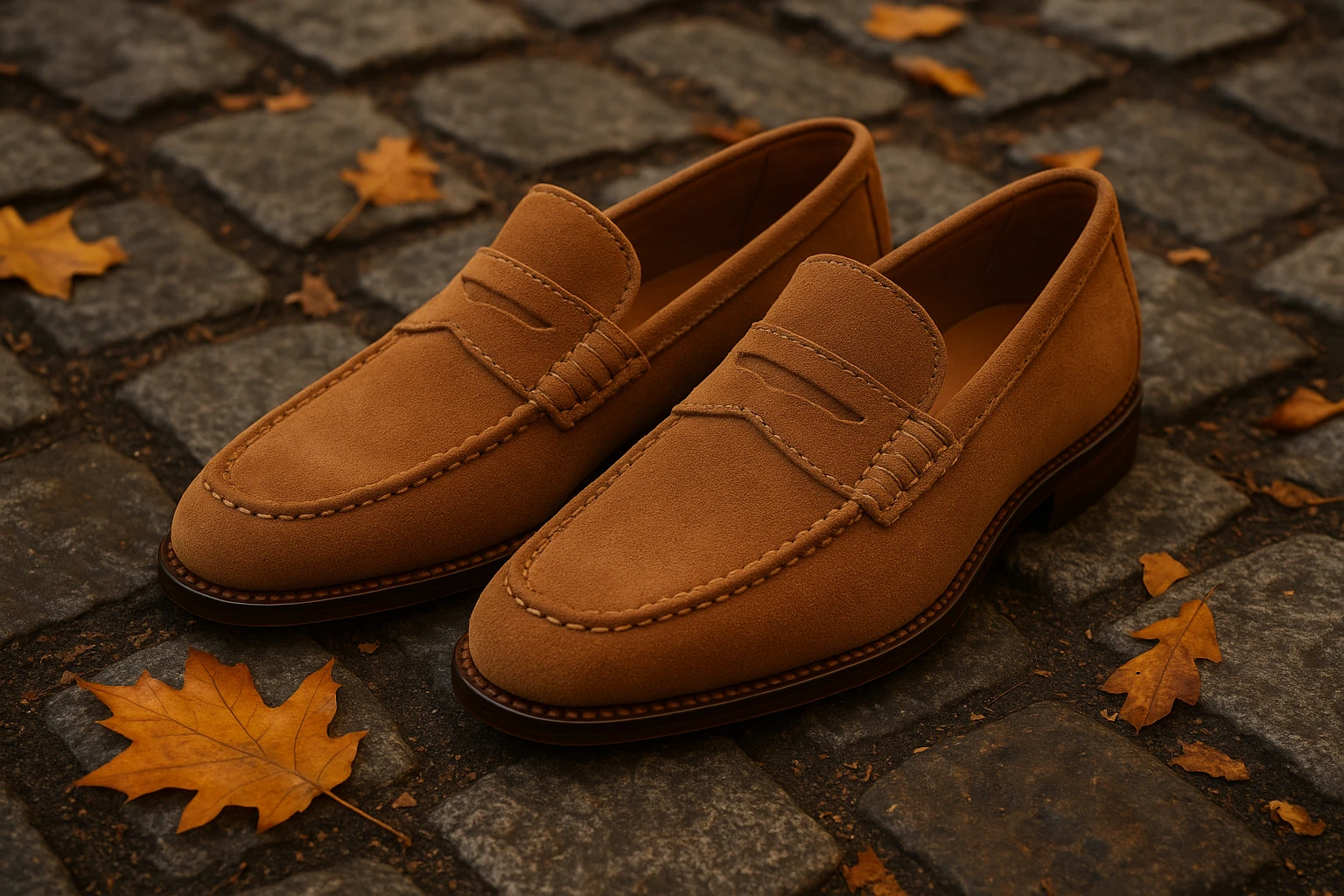
The choice of material in business shoes can affect not only comfort but also durability and style. Leather remains the most popular choice due to its classic appearance and breathability. Full-grain leather is particularly valued for its quality and longevity; it ages gracefully and withstands wear and tear over time. Suede, on the other hand, provides a more casual yet sophisticated look, suitable for less formal environments. Ensuring material quality is critical as it directly impacts the shoe's performance and appearance.
Design and Fit
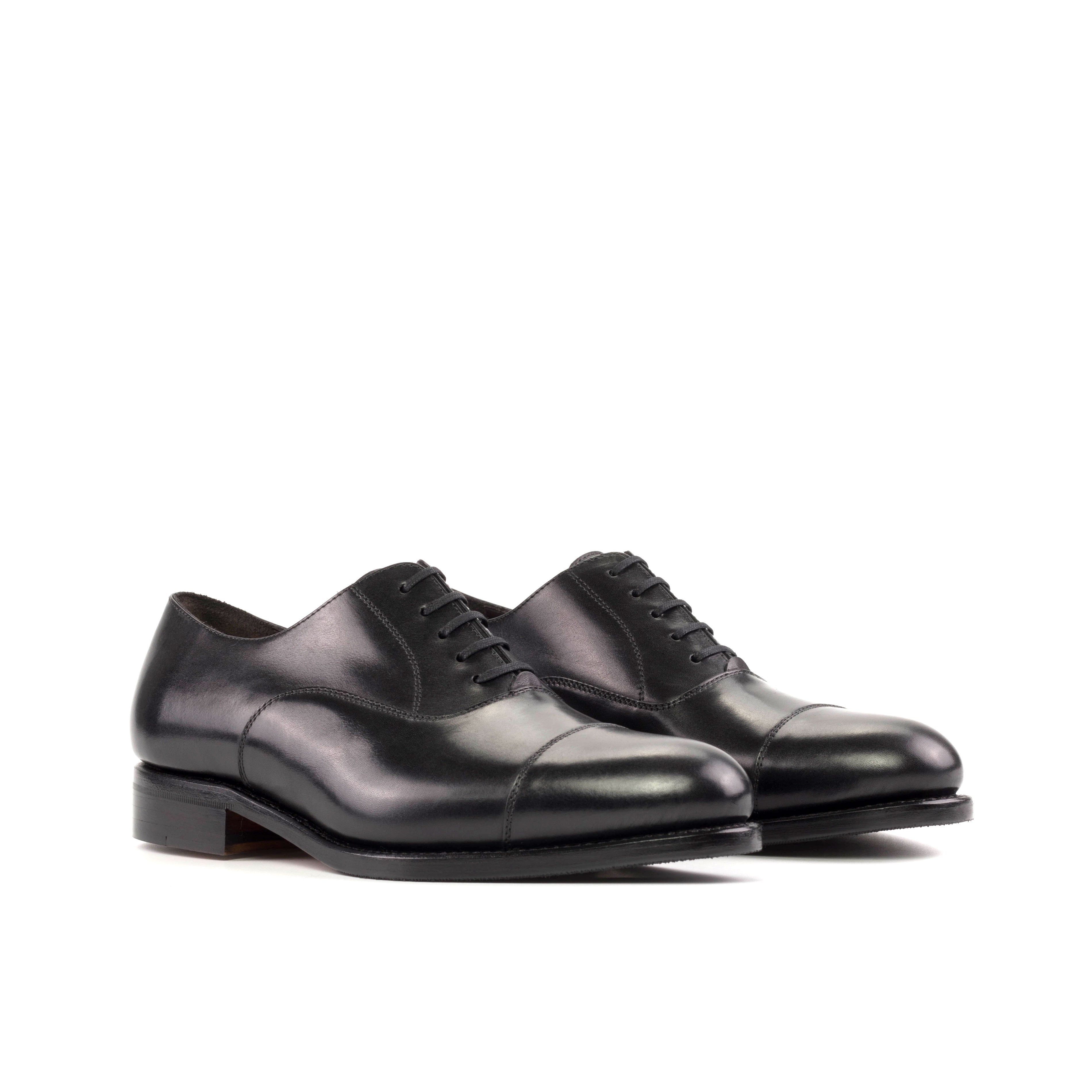
Design plays a crucial role in selecting business shoes. Options like Oxfords, Derbies, and Loafers each offer their unique appeal and functionality. Oxfords are praised for their sleek, polished appearance, often reserved for formal settings. Derbies, with their open lacing system, offer more flexibility and are easier to fit. Furthermore, proper fit is paramount; ill-fitting shoes can lead to discomfort and foot issues. The British Journal of Sports Medicine advises that trying shoes in the afternoon or evening, when feet are naturally larger, can result in a better fit (British Journal of Sports Medicine).
Purpose and Usage
The context in which business shoes for men are worn is also vital. For instance, a professional seeking shoes for daily office wear might prioritize comfort and support, whereas someone attending formal events could opt for style and elegance. Exploring the balance between these factors ensures that the selected footwear not only complements professional attire but also enhances personal comfort and functionality. It's this dual satisfaction of form and function that sets apart a wise shoe investment from mere splurge.
Craftsmanship, Confidence, and Market Relevance
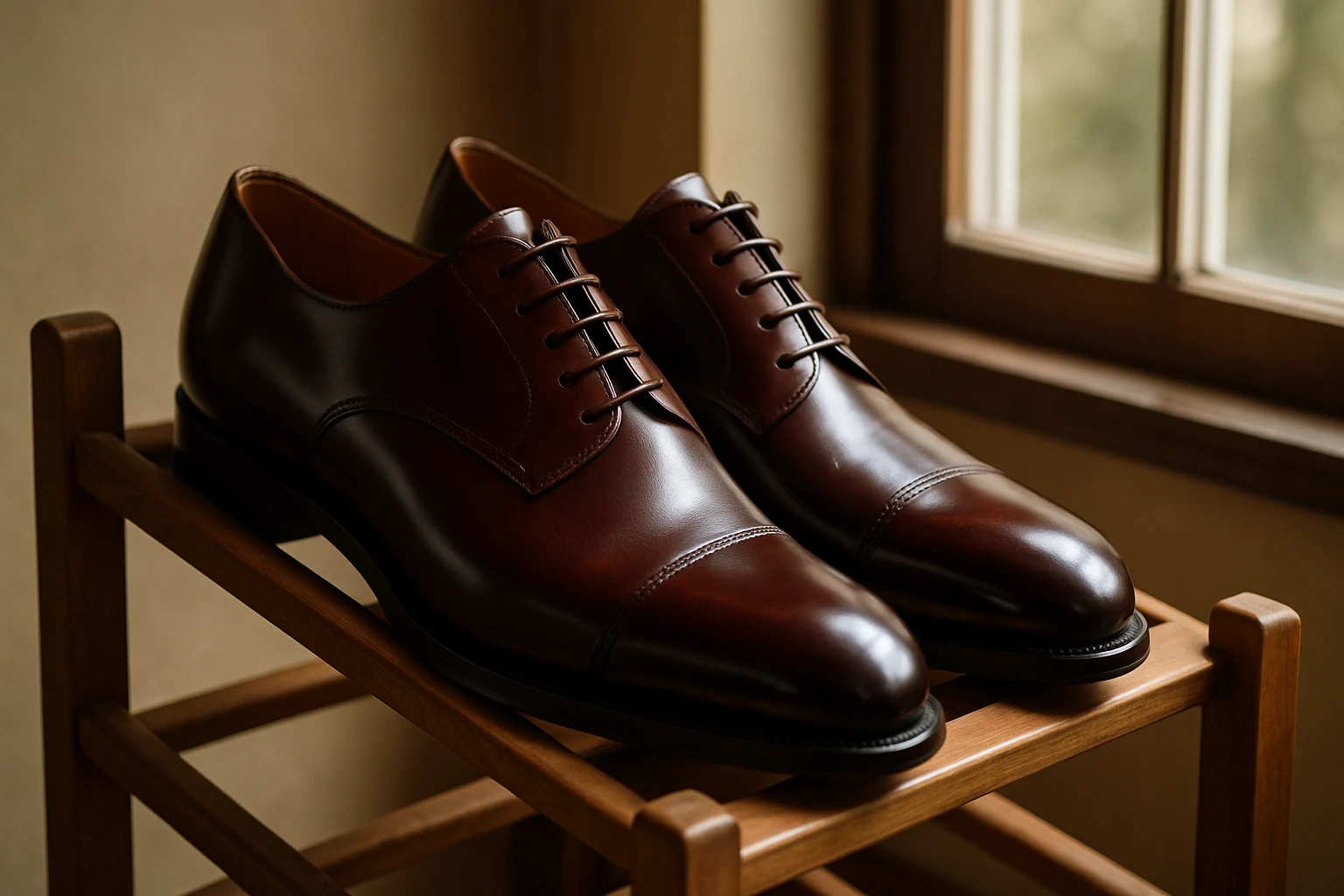
Elevating the discussion into design and psychology, high-quality craftsmanship plays a subtle yet powerful role in how shoes shape professional presence. When men slip into a well-made pair, such as precision-stitched Oxfords or supple suede loafers, it enhances both comfort and confidence in ways that stretch beyond style. One analysis highlights that premium materials and artisanal construction not only offer durability but also subtly bolster self-assurance and public perception of competence and attention to detail JustLuxe.
From a market perspective, the formal footwear segment remains significant and steadily growing. In 2024, the global men formal shoe market was valued at approximately USD 11.19 billion, with projections estimating growth to USD 15.4 billion by 2035—a compound annual growth rate of about 2.9% WiseGuyReports. As workplaces continue to blend traditional and smart-casual attire, the demand for meticulously designed shoes blends with that for adaptability—emphasizing that practicality and elegance can coexist.
Specific styles also show notable trends: Oxfords remain a mainstay due to their refined silhouette, while loafers and derby shoes gain traction for offering relaxed formality. Agile designs such as monk straps and Chelsea boots further reflect evolving preferences among professional men seeking balance between classic structure and modern versatility WiseGuyReports.
Blending the psychological uplift with marketplace data illustrates a clear business case. A polished pair of professional shoes doesn’t just finish an outfit—it can serve as a confidence anchor in high-stakes settings like interviews, presentations, or client meetings. At the same time, firms and individuals aiming to invest wisely may look to styles that align with both personal branding and industry trends—wearing quality that communicates capability and aligns with evolving consumer demand.
Actionable Insights for Buyers and Writers
- When choosing business shoes for men, prioritize craftsmanship and structure—shoes that feel secure and well-made often lead to better posture and confidence.
- Consider versatile designs like loafers or derbies that can bridge the gap between boardroom formality and modern business-casual environments.
- For content creators or retailers, emphasizing the emotional benefits—confidence, self-respect—alongside market data can resonate deeply with savvy, style-conscious professionals.
Material Choices and Their Impact
Understanding the materials used in business shoes for men is crucial for both comfort and longevity. Leather is often the preferred material due to its durability and classic appearance. Top-grain leather, for instance, is widely considered the gold standard. It provides a polished look and molds comfortably to the wearer’s foot over time. This adaptability is a primary reason why leather shoes remain a staple in business attire.
However, modern consumers are increasingly considering ethical and environmental factors. Eco-friendly alternatives, such as vegan leather made from polyurethane or sustainable materials like pineapple fibers, are becoming more popular. While not a traditional choice, these materials can offer both ethical peace of mind and style. According to a report by Business Insider, the demand for vegan leather is expected to grow significantly in the coming years, reflecting a shift in consumer values.
Impact on Comfort and Style
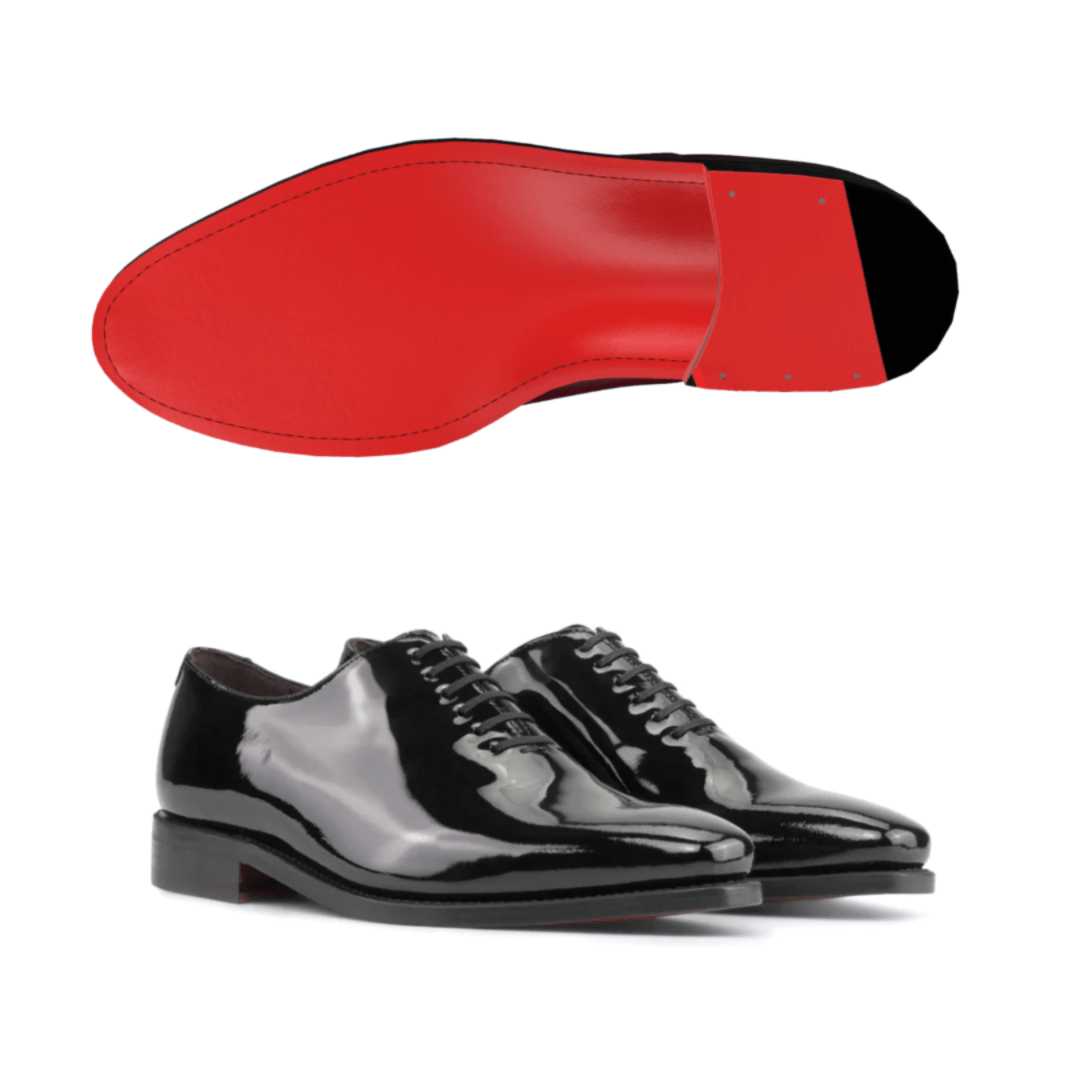
The choice of material also influences the style and comfort of business shoes for men. Suede, for example, provides a softer, more casual look than shiny leather, making it ideal for business-casual settings. On the other hand, patent leather is known for its glossy finish, making it perfect for formal events or meetings that call for an extra touch of sophistication.
Comfort is not merely about the material but also involves the shoe's construction. A shoe with a solid inner lining and cushioned insole can significantly enhance comfort, allowing professionals to transition seamlessly from office to after-work events without discomfort. According to Footwear Today, comfort is a priority for over 60% of men purchasing business shoes, highlighting the need for shoes that support prolonged wear.
Balancing Function and Fashion
Balancing aesthetics with practicality is essential for professionals selecting business shoes. Oxford shoes, with their closed lacing system, offer a snug fit and are often associated with traditional business wear. For those seeking versatility, derby shoes provide a comfortable fit with their open lacing system and can effortlessly shift from professional to more laid-back environments.
In summary, when selecting business shoes for men, the material not only affects the shoe's durability and appearance but also plays a role in comfort and ethical considerations. A thoughtful choice can reinforce one's professional image while ensuring all-day comfort.
Conclusion: Making the Right Choice for Business Shoes
In the landscape of men's professional footwear, understanding the array of options and their unique characteristics enhances not only style but also comfort and performance. When choosing business shoes for men, it's crucial to consider elements such as craftsmanship, material quality, and versatile designs that can adapt to various formal settings. The right pair of shoes can significantly impact a man's professional image, offering not just aesthetics but also confidence and practicality.
When selecting the perfect pair, it's important to match the shoes with the occasion. A well-chosen pair of brogues, for example, can be ideal for semi-formal events, while classic oxfords are a staple for more formal business settings. Versatile loafers, with their timeless appeal, provide comfort for everyday office wear. Maintaining a collection that includes a few of these options ensures you are prepared for any professional occasion.
Investing in high-quality business shoes is not just about the immediate visual appeal. It's a strategic move towards professional longevity. Studies suggest that well-crafted shoes tend to last longer, providing better value over time. For instance, adding a premium leather pair to your collection can serve you for years if cared for properly. Experts at GQ suggest regular cleaning and conditioning to extend the life of leather footwear.
Beyond choices and maintenance, understanding one's personal style plays a pivotal role. Each man's attire speaks volumes about his personality and aspirations. Find a style that resonates with you personally, complementing your overall wardrobe. Utilize resources like Forbes for expert recommendations on current trends and classics that remain ever-relevant.
Ultimately, selecting the right business shoes involves balancing style, comfort, and durability to complete your professional look. Take action today; assess your current shoe collection and identify any gaps that need filling. Visit a respected retailer or browse online marketplaces to explore diverse offerings. By making mindful choices, you can enhance your professional wardrobe and step confidently into any business setting.
Read more
The Ultimate Oxford Shoes Guide for the Modern Man
When it comes to choosing the perfect pair of formal shoes, the classic Oxford shoe stands unrivaled. These quintessential men's leather shoes are synonymous with elegance and sophistication, makin...
Read more
Exploring Men's Leather Shoes: A Journey through Style and Comfort
When it comes to stepping up your style game, few things make a more significant impact than a pair of well-crafted men's leather shoes. Whether you're attending a wedding, heading to a business me...
Read more